What is human trafficking?
Trafficking is a crime that involves the exploitation of individuals through force, fraud, and coercion. This crime robs people of their autonomy, freedom, and basic human rights.
Trafficking can take many forms, but at the Alberta Centre, we focus on three primary types:
-
Sex trafficking -
Exploiting individuals through coercion or manipulation for sexual purposes. Learn more.
-
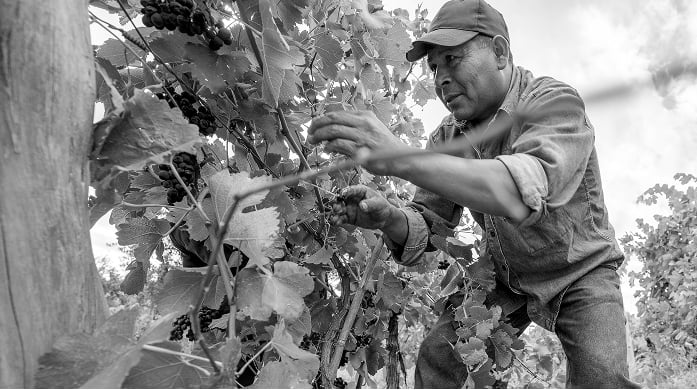
Labour trafficking -
Forcing or deceiving someone into working under exploitative or unsafe conditions. Learn more.
-
Organ trafficking -
Organ trafficking involves the illegal and exploitative removal of human organs and tissue to be sold for profit. Learn more.
This isn’t just a global issue. Trafficking affects the safety and wellbeing of our communities, our economy, and our most vulnerable people.
Trafficking can happen to anyone
There’s no single profile of a trafficking victim. Traffickers prey on vulnerability—and that can look different for everyone.
That said, trafficking disproportionately affects:
-
Girls and women
-
2SLGBTQIA+ individuals
-
Migrant workers and newcomers
-
Indigenous peoples
-
Youth facing homelessness or family violence
Whether through isolation, poverty, discrimination, or lack of legal status, traffickers exploit the gaps in our systems. That’s why we work to strengthen those systems—so no one falls through.
Know the signs
Human trafficking often hides in plain sight. Being able to recognize the signs is the first step toward stopping it.

Behavioural indicators
- Appears fearful, anxious, depressed, submissive, tense, or nervous/paranoid.
- Avoids eye contact and social interaction.
- Exhibits unusually fearful or anxious behavior after bringing up law enforcement.
- Has inconsistencies in their story or seems coached on what to say.
Work and living conditions
- Is not free to leave or come and go as they wish.
- Works excessively long and/or unusual hours without breaks.
- Lives and works in the same location, often under poor conditions.
- Is unpaid, paid very little, or paid only through tips.

Lack of control
- Has few or no personal possessions.
- Is not in control of their own money, identification documents, or travel documents.
- Is not allowed or able to speak for themselves; a third party may insist on being present and/or translating.

Physical indicators
- Shows signs of physical and/or sexual abuse, physical restraint, confinement, or torture.
- Appears malnourished or shows signs of repeated exposure to harmful chemicals.
- Lacks medical care and/or is denied medical services by employer.
If you suspect someone is a victim of human trafficking, it’s important to report your concerns to the appropriate authorities.
In Alberta, call 911 for emergencies. For non-emergencies, contact Crime Stoppers: +1 800-222-8477 or submit a tip online at CyberTip.ca: Canada’s national tipline for reporting the online sexual exploitation of children.
In Canada, you can contact the Canadian Human Trafficking Hotline at 1-833-900-1010.